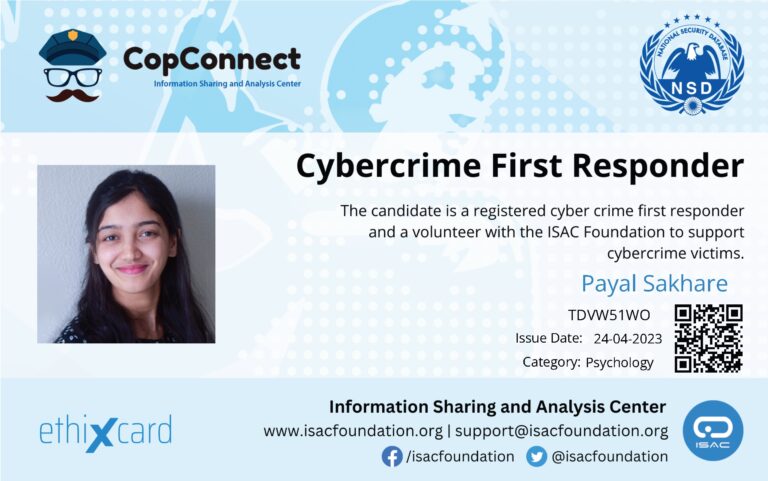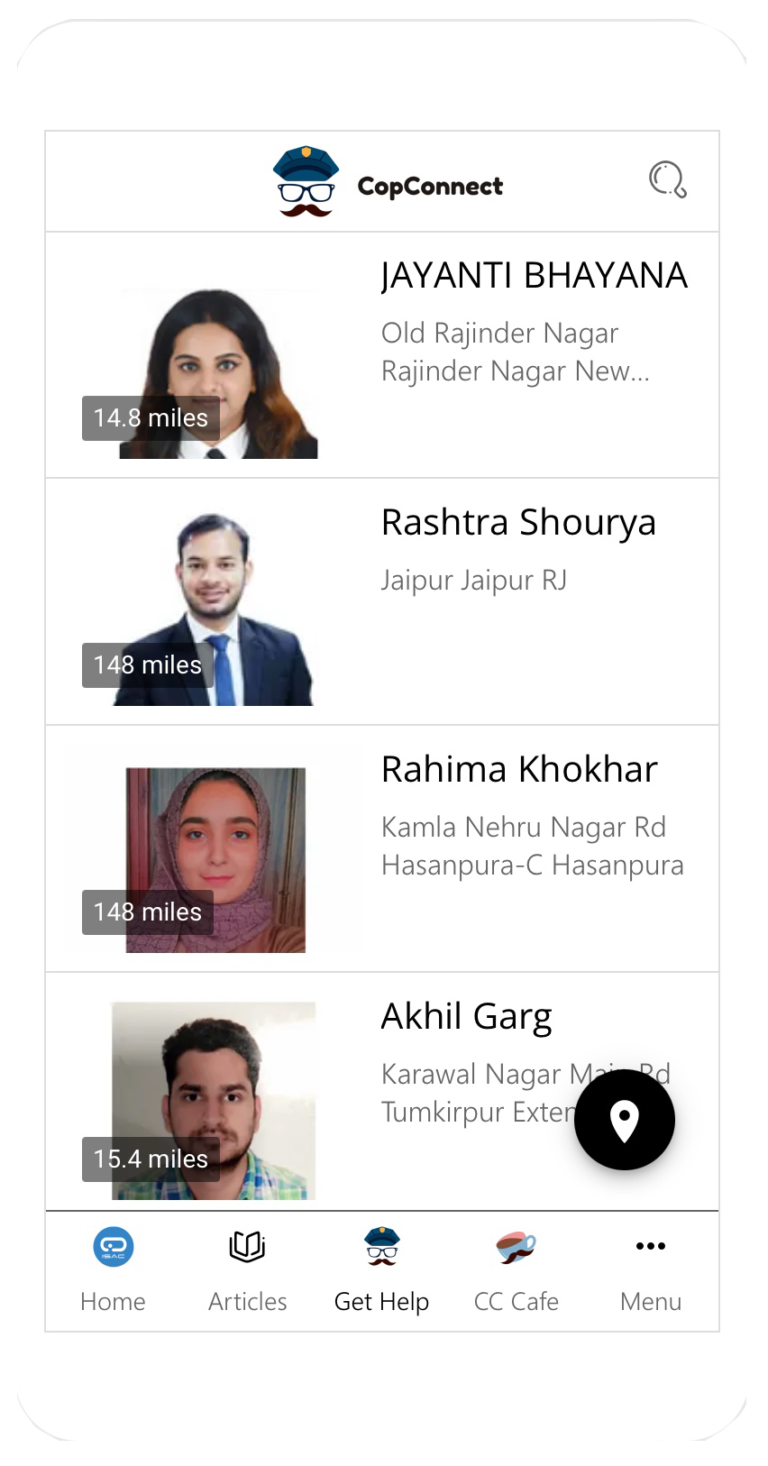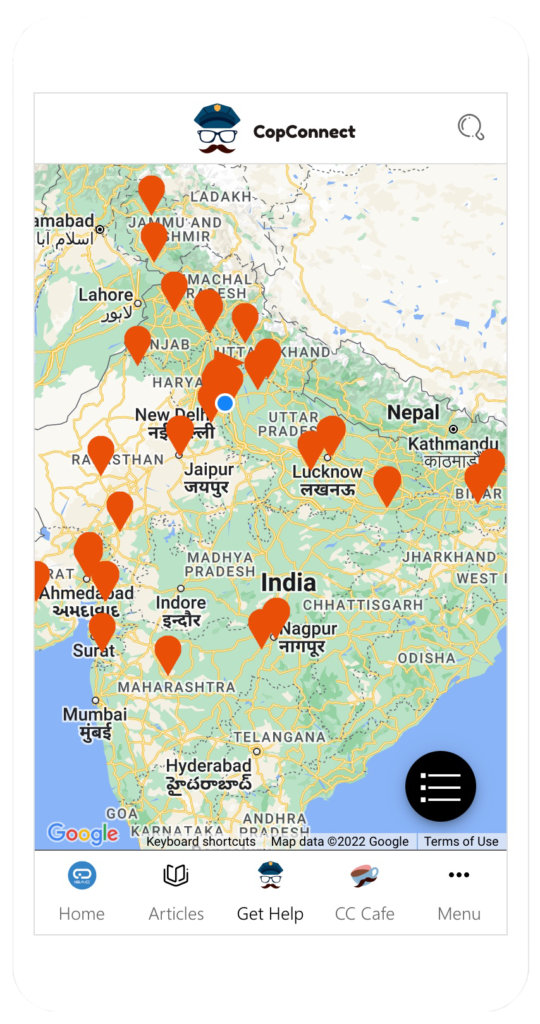
Information Sharing and Analysis Center

Information Sharing and Analysis Center

India's leading non-profit, solving critical problems impacting the connected, digital world on cyber security.

NSD CERTIFIED CYBER crime Intervention Program

The CCIO is a 30 hour program that aims to provide you with an essential background on cybercrimes, cyber law and psychological aspects associated with cyber space. The program lets one detect early signs of problems in people around, at work and home and also equips one to be a first responder incase of cybercrimes.


Certification, under AICTE NEAT 2.0, Approved by the Ministry of Education.

Cyber Crime Intervention Officer program available on GeM.

Delivery Partner COPCONNECT

Protecting children in a world they understand better than we do

Every 8 minutes, a child in India encounters a cybercrime. The CCIO Training Program transforms everyday guardians — parents, teachers, social workers, and community leaders — into certified first responders who can identify, assess, document, and route cybercrime cases involving children. No technical background required. Just the will to protect.

Program Sessions

Introduction

Your child lives in a digital world you’ve never visited. They watch content you’ve never heard of — Skibidi Toilet has billions of views and your 8-year-old can recite every episode. They speak a language where “rizz” means charisma but “GNOC” means “Get Naked on Camera.” Platforms like TikTok and YouTube Shorts are engineered to hijack developing brains through dopamine loops that shrink attention spans to 8 seconds. This session drops you into Gen Alpha’s reality without sanitizing it. You’ll see what they see, learn what they say, and understand how algorithms turn innocent screen time into a cybercrime gateway. You leave with the tools to decode your child’s digital life and intervene before it’s too late.

Course Outline

  • What is “BrainRot” — the term kids coined to describe what screens do to their brains
  • Inside Gen Alpha content: Skibidi Toilet, Roblox Doors, Adopt Me! and the memes your child knows by heart
  • Live slang quiz — skibidi, gyat, rizz, sigma, fanum tax, and why these words matter
  • Danger signal slangs every parent must recognize: GNOC, LMIRL, WTTP, CD9, POS — codes indicating grooming or hiding behavior
  • The dopamine feedback loop: how algorithms track every swipe and optimize for addiction, not safety
  • Five forms of BrainRot: endless scrolling, meme overload, viral trend obsession, low-effort consumption, gaming addiction
  • Six cybercrime pathways targeting Gen Alpha: phishing, grooming, exploitation, cyberbullying, data privacy, financial scams
  • Intervention strategies: co-viewing, co-playing, modeling healthy screen use, creating safe dialogue
  • Step-by-step parental controls for YouTube, TikTok, Instagram, Roblox, and WhatsApp
  • Introduction to the CCIO role and severity classification (Low / Medium / High risk)
  • The CCIO First Contact Protocol — a 5-minute first response procedure

Field Kit (8 Documents)

  • CCIO Case Log — standardized case documentation template
  • Victim-Parent Intake Form — structured interview covering child info, platform details, timeline
  • Attention Crisis Severity Assessment — 10-point screening checklist with action steps
  • CCIO First Contact Protocol SOP — universal 5-step first response procedure
  • Gen Alpha Slang Decoder 2026 — danger signals and general slang reference card
  • Platform Safety Settings Guide — parental controls for 5 major platforms
  • Child Safety Ecosystem Map — India’s full support network
  • Helpline & Referral Directory — contacts organized by case type and urgency

Introduction

Sextortion doesn’t start with a stranger in a dark alley. It starts with a DM, a like, a follow request. This session confronts the uncomfortable reality of how children and teens are sexually exploited online — including through AI-generated imagery that didn’t exist two years ago. You’ll learn how predators operate through social currency pressure, how “sugar daddy” culture has normalized exploitation, and why India ranks #1 globally in this disturbing trend. We cover voice cloning scams, deepfake exploitation, and the sexting slangs your child uses daily. You leave with incident response protocols and the confidence to act in the critical first hours.

Course Outline

  • The modern dating landscape and its pressure on teens — followers, likes, and social currency as survival tools
  • How sextortion works: the grooming cycle, escalation tactics, pressure threats, and payment demands
  • Platform analysis: where sextortion originates vs. where it escalates (Instagram, Snapchat, WhatsApp)
  • India’s #1 global ranking in sugar daddy culture — and its direct link to child exploitation
  • AI-generated CSAM: deepfake nudes, voice cloning scams, and the new frontier of exploitation
  • Sexting danger slangs: GNOC, LMIRL, WTTP, KYS, CD9 — what your child is really saying
  • Real chat pattern analysis — how grooming conversations actually look
  • Legal framework: POCSO Act, IT Act sections applicable to exploitation cases
  • The sextortion response protocol — what to do in the first 60 minutes

Field Kit (9 Documents)

  • Sextortion Incident Report Form
  • Evidence Preservation Checklist
  • Minor Victim Parental Notification Script
  • Sextortion Response Protocol SOP
  • AI-Generated Image Incident Protocol SOP
  • Voice Cloning Scam Response Protocol
  • Legal Sections for Exploitation Cases — quick lookup card
  • Platform Reporting Shortcuts — direct links to report on each platform
  • Mental Health Referral Card

Introduction

Gaming isn’t just a hobby anymore — it’s a $200 billion ecosystem where predators groom children through voice chat, gambling mechanics are disguised as “loot boxes,” and addiction is engineered by design. Your child’s “friend” in Roblox could be a 40-year-old predator. The “free” game they play charges real money through manipulative microtransactions. Dangerous online challenges have killed children in India. This session takes you inside the games, shows you where the dangers hide, and teaches you to distinguish healthy play from pathological addiction. We also cover controversial games and challenges that schools and parents are afraid to talk about.

Course Outline

  • How games engineer addiction: dopamine loops, near-miss rewards, variable reinforcement, social pressure
  • Predator grooming through gaming: voice chat infiltration, guild manipulation, in-game gifting as bribery
  • Dangerous online challenges with real-world consequences — cases from India and globally
  • Loot boxes, microtransactions, and gambling mechanics specifically targeting minors
  • Controversial games parents are afraid to discuss: content involving violence, sexual themes, extremism
  • Gaming addiction vs. healthy play — where the clinical line is drawn (WHO Gaming Disorder criteria)
  • Platform-specific parental controls walkthrough: what actually works and what doesn’t
  • The gaming predator response protocol — immediate steps when grooming is discovered
  • Dangerous challenge response protocol — intervention when a child is participating

Field Kit (8 Documents)

  • Gaming Addiction Severity Assessment
  • Gaming Incident Report Form
  • Gaming Predator Response Protocol SOP
  • Dangerous Challenge Response Protocol SOP
  • Platform Parental Controls Guide (gaming-specific)
  • Controversial Games Quick Lookup Card
  • Online Challenges Alert Card
  • Gaming Disorder Referral Pathway

Introduction

Cybercriminals don’t just target adults with UPI scams — they use children as entry points to family finances. From fake Robux generators to sophisticated QR code frauds, this session maps the financial crime landscape affecting Indian families. But it goes further: we cover technology-facilitated abuse — stalkerware on a spouse’s phone, location tracking used for coercive control, and how digital tools become weapons in domestic violence. You’ll learn the “golden hour” protocol for when money has already been lost, how to file an FIR, and how to navigate cybercrime.gov.in to get cases registered and funds frozen.

Course Outline

  • Financial fraud typology: UPI fraud, QR scams, fake giveaways, in-app purchase traps, crypto scams
  • How children become unwitting accomplices in financial cybercrime
  • Technology-facilitated abuse: stalkerware, location tracking, digital coercive control in families
  • The “golden hour” protocol — critical first actions when fraud is discovered (1930 helpline, bank freeze)
  • FIR filing process and cybercrime.gov.in portal navigation — step by step
  • RBI liability framework — when banks must refund and when they won’t
  • Phishing and scam red flags — how to identify threats before money is lost
  • Content removal request procedures for defamatory or exploitative material
  • Platform grievance officer contacts — direct escalation when standard reporting fails

Field Kit (9 Documents)

  • Financial Fraud Incident Report Form
  • Financial Fraud Golden Hour Protocol SOP
  • FIR Assistance Worksheet
  • Financial Fraud Contact Directory
  • Content Removal Request Template
  • Phishing & Scam Red Flags Card
  • Platform Grievance Officer Contacts
  • RBI Liability Framework Card
  • Tech Abuse Safety Planning Protocol SOP

Introduction

Your home Wi-Fi, smart TV, baby monitor, and voice assistant are all potential entry points for a cybercriminal. Your child’s smartwatch tracks their location — and so can anyone who hacks it. This session turns your home into a digital fortress and prepares you for threats that don’t even have names yet. We cover deepfakes, generative AI misuse, voice cloning, and the dark side of smart devices. You’ll learn to conduct a Family Digital Safety Visit — a protocol CCIOs can deploy in any home in their community. We also introduce the Cyber Wellness Centre model, turning CCIOs from responders into community leaders.

Course Outline

  • Home digital safety audit: routers, IoT devices, smart TVs, baby monitors, voice assistants
  • Smart watches and tracking devices — safety benefits vs. surveillance risks for children
  • Device security configuration for every family member — age-appropriate access frameworks
  • Emerging tech threats: deepfakes, generative AI misuse, voice cloning, synthetic media
  • The Family Digital Safety Visit — a protocol CCIOs deploy in homes across their community
  • Setting up a Cyber Wellness Centre in your locality — from responder to community leader
  • IoT security checklist — securing every connected device in the home
  • Offline activities recommendation — building a healthy digital-analog balance
  • Emerging tech concern response protocol — what to do when new technology creates new threats

Field Kit (9 Documents)

  • Home Digital Safety Audit Checklist
  • Device Security Configuration Guide
  • Family Digital Safety Visit Protocol SOP
  • Emerging Tech Concern Response Protocol SOP
  • IoT Security Checklist
  • Smart Watch & Tracking Device Guide
  • Parental Control Setup Cards (device-specific)
  • Offline Activities Recommendation Card
  • Cyber Wellness Centre Setup Guide

Introduction

Knowing the law isn’t optional — it’s your shield and your sword. Taught by specialist cyber law faculty, this session covers the IT Act, POCSO, and every legal provision a CCIO needs to route cases correctly, protect victims’ rights, and stay within ethical boundaries. You’ll learn which crime goes to which authority, how to draft an FIR that actually gets registered, and the ethical lines a CCIO must never cross — including evidence handling, confidentiality limits, and mandatory reporting obligations. We confront the hard truth: good intentions without legal knowledge can destroy a case or harm a victim.

Course Outline

  • Indian IT Act provisions relevant to child online safety — sections, penalties, and application
  • POCSO Act: coverage, application, and mandatory reporting obligations
  • Cybercrime classification: which crime goes to which authority (crime-to-channel routing)
  • Filing complaints on cybercrime.gov.in — step-by-step walkthrough
  • FIR drafting — language, structure, and what makes an FIR that gets registered vs. rejected
  • Evidence admissibility — what courts accept and what they throw out (and why CCIOs must care)
  • CCIO Code of Conduct — ethical boundaries, confidentiality, conflicts of interest
  • Ethical decision-making under pressure — when doing the right thing isn’t obvious
  • Legal sections quick lookup — the cheat sheet every CCIO carries

Field Kit (9 Documents)

  • Crime-to-Channel Routing SOP
  • gov.in Filing Guide
  • FIR Drafting Worksheet
  • Evidence Admissibility Checklist SOP
  • CCIO Code of Conduct SOP
  • Ethical Decision Log
  • Complaint Procedure Flowchart
  • Legal Sections Quick Lookup Card
  • Court & Legal Aid Directory

Introduction

The first words a victim hears from you can either begin healing or deepen trauma. This session is about the human side of intervention — how to listen without judgment, what to say, what never to say, and how to manage your own emotional response when confronting the worst of what people do to children online. We cover trauma-informed communication, crisis response when a child is in immediate danger, and the difficult reality of working with special populations — children with disabilities, non-verbal victims, and families where the abuser is a family member. We also address vicarious trauma: the toll this work takes on you.

Course Outline

  • Trauma-informed communication: the CCIO Victim Conversation Protocol
  • Emotional state assessment — reading the room and calibrating your response
  • Language do’s and don’ts — words that heal vs. words that re-traumatize
  • Crisis response protocol — immediate steps when a child is in active danger
  • The SAFETY Scan — systematic checklist for assessing immediate risk
  • Special populations: children with disabilities, non-verbal victims, intra-family abuse cases
  • Warm handoff protocol — transferring a case without losing trust or context
  • Mental health referral pathways — when and how to connect victims to professional support
  • Self-care for responders — recognizing and managing vicarious trauma

Field Kit (8 Documents)

  • CCIO Victim Conversation Protocol Card
  • Crisis Response Protocol SOP
  • Emotional State Response Guide
  • Language Do’s and Don’ts Card
  • SAFETY Scan Checklist
  • Special Population Communication Guide
  • Warm Handoff Briefing Sheet
  • Mental Health Referral Directory

Introduction

A case is only as strong as its evidence. This final session turns you into a meticulous digital evidence handler — someone who knows how to screenshot correctly, preserve metadata, document chain of custody, and brief law enforcement so criminals actually get prosecuted. We cover what courts accept and what they reject, how to recover partial evidence, and how to export data from every major platform. The session concludes with the CCIO Pledge, your certification pathway, and onboarding to the CopConnect first responder network. You walk in as a trainee. You walk out as a certified Cyber Crime Intervention Officer.

Course Outline

  • Digital evidence fundamentals — what courts accept and what they reject
  • Evidence documentation log — recording every piece of evidence with chain of custody
  • Evidence preservation step-by-step — screenshots, metadata, hash values, timestamps
  • Evidence triage priority — what to preserve first when time is limited
  • Partial evidence recovery — salvaging cases when evidence has been deleted or corrupted
  • Platform data export guide — extracting evidence from Instagram, WhatsApp, Telegram, etc.
  • LEA briefing — how to present a case to law enforcement that gets taken seriously
  • Platform LEA portal directory — direct law enforcement reporting channels
  • The CCIO Pledge and certification pathway — from trainee to certified officer
  • CopConnect onboarding — joining the first responder network

Field Kit (11 Documents)

  • Evidence Documentation Log
  • Evidence Preservation Step-by-Step Guide
  • Evidence Preservation Master Protocol SOP
  • LEA Briefing Sheet
  • LEA Coordination Protocol SOP
  • Partial Evidence Recovery Guide SOP
  • Evidence Triage Priority Card
  • Platform Data Export Guide
  • Platform LEA Portal Directory
  • CCIO Case Closure Report
  • CCIO Pledge Card

Program Outcome

A certified Cyber Crime Intervention Officer (CCIO), empanelled with the National Skill Development framework, equipped with 70+ field documents, and eligible to join the CopConnect first-responder network.

Being a parent is the most difficult job in this world. As children grow, the digital divide increases the generation gap and makes you a parent feel disconnected. The program helps you understand the online world and its consequences so that you can protect your children and loved ones from potential cybercrimes.

If you are an existing lawyer, you will enhance your cases understandings immensely with this course. This will mean fewer technical mistakes and wider scope of defense.

The program will enhance your ability to connect, speak and discuss with young children and teenagers affected by cybercrimes. You will learn how to remove their fears, give them courage and help you gain crucial details of the case that will fasten the investigations.

Being a teacher is a tough job – and when you understand the new age problems of digital kids, it helps you navigate their world without getting lost. With the skills gained in this program, you may be able to intervene just in time before a crime becomes dangerous for the children, causing harm to both the victims and the reputation of the school.

The biggest advantage of this program is, this enables you to pick up part-time work opportunities such as:

  • Conducting workshops in schools on cyber safety
  • Working as an Intervention Officer for schools to advise parents and children
  • Assisting lawyers on cyber crime cases 
  • Assisting hospitals, counselors and doctors dealing with Cybercrime victims

You can upgrade your skills to learn Digital Forensics Investigation or become a full time lawyer to enhance full time work opportunities in this area. Both the skills are diverse so do not hesitate to learn more from your Instructors about these skills.

Upcoming Batches!

May Batch

  • 06 May 2026
  • 07 May 2026
  • 13 May 2026
  • 14 May 2026
  • 20 May 2026
  • 21 May 2026
  • 27 May 2026
  • 28 May 2026
  •  

June Batch

  • 03 June 2026
  • 04 June 2026
  • 10 June 2026
  • 11 June 2026
  • 17 June 2026
  • 18 June 2026
  • 24 June 2026
  • 25 June 2026
  •  
  •  
  • 8 instructor-led sessions (2.5 hours each) 
  • 100+ slides per session 
  • Field kit with SOPs, forms, and reference cards per session
  • Certification examination 
  • CCIO Certification valid for 3 years
  • CopConnect platform membership eligibility

  • The examination consists of multiple-choice questions.
  • Candidates must correctly answer a minimum of 60% of the questions to pass.
  • The exam will be conducted after the conclusion of the course.
  • If a candidate is unable to attend the scheduled session, they may take the exam with the next batch.
  • Candidates are allowed a total of three attempts at no additional cost.

The minimum age requirement to attend the CCIO program is 16 years. Admission to the course is subject to application approval. The course is best suited for:

  • Parents & Grandparents
  • Teachers & School Counselors
  • Social Workers & NGO Staff
  • Law Enforcement Personnel
  • Any adult interacting with children in a digital world

Take the First Responder Quiz!

Volunteer and help others on Your schedule Your communication preferences Your choice of location

Our Faculties

Rajshekhar P

Director - ISAC
25+ years experience in cyber security.

+91 8882 560 560
Email: rajsm@isacfoundation.org

Group Captain P Aanand Naidu (retd)

Director - ISAC
30+ years of experience in policy and management. Adjunct Professor at NALSAR University of Law, Hyderabad

+91 97317 45635
Email: pan@isacfoundation.org

Hear from participants

CCIO

Testimonials

Testimonials

latha kirubakaran


I’d like to share our experience with a cybercrime incident. On October 15, 2022, my husband received a sextortion message on WhatsApp, followed by a video call, morphed images, and threats of social media exposure. We then received continuous calls from people impersonating crime branch and YouTube employees, demanding ₹31,000 to delete the video. Remembering a recent workshop, I reached out to ISAC’s Head Intervention, who assured us it was a scam and advised against paying. The support and guidance were invaluable—many thanks to the ISAC’s CCIO team for their timely help and awareness efforts.